
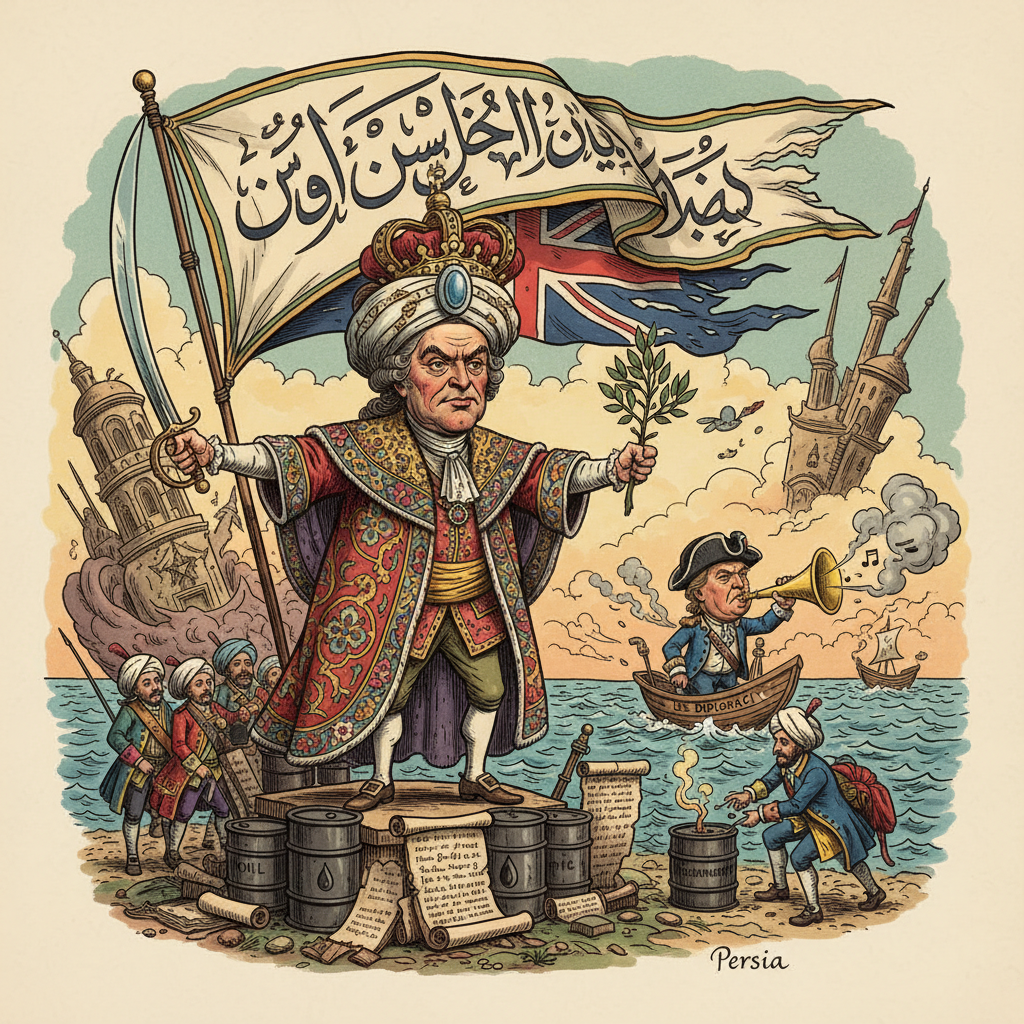
As the Trump administration brandishes both a sword and an olive branch towards Tehran, the diplomatic dance reveals a disquieting choreography eerily familiar to those conversant with the birth pangs of nations.
Details:
- Iranian Foreign Minister Abbas Araghchi expressed Tehran's readiness to resume nuclear talks, provided the U.S. ceases military threats.
- The complex network of mediators—Turkey, Egypt, Qatar, and Saudi Arabia—channels communications, reflecting a system where direct negotiation between principal parties is replaced by appeals through influential third parties.
- President Trump’s conditions for dialogue—"no nuclear and number two stop killing protesters"—are presented unilaterally, much like royal proclamations dictating terms to subordinate entities.
Why it Matters:
The current diplomatic standoff, characterized by overt military posturing from Washington and Tehran's conditional willingness to engage through intermediaries, resonates with the very grievances that precipitated the American Revolution. The insistence on "fair and equitable" negotiations from a nation under threat, while seemingly a straightforward plea for mutual respect, becomes a contemporary echo of colonial assemblies, who, in addressing the Crown, would begin their petitions with a deferential, yet firm, "May it please your Excellency," even as their rights were being systematically abrogated by a distant power. This transactional approach to international relations, where a dominant power dictates terms and a less powerful entity must appeal through circuits of influence, underscores a fundamental imbalance. It risks reducing diplomacy to a ritual of deference rather than a genuine exchange, mirroring the imperial system that denied American colonists their rightful voice and consent, ultimately proving unsustainable.