Fauxios Logo Fauxios
The Unsettling Melody of Sedition: 2026's Anthems Recall Colonial Grievances

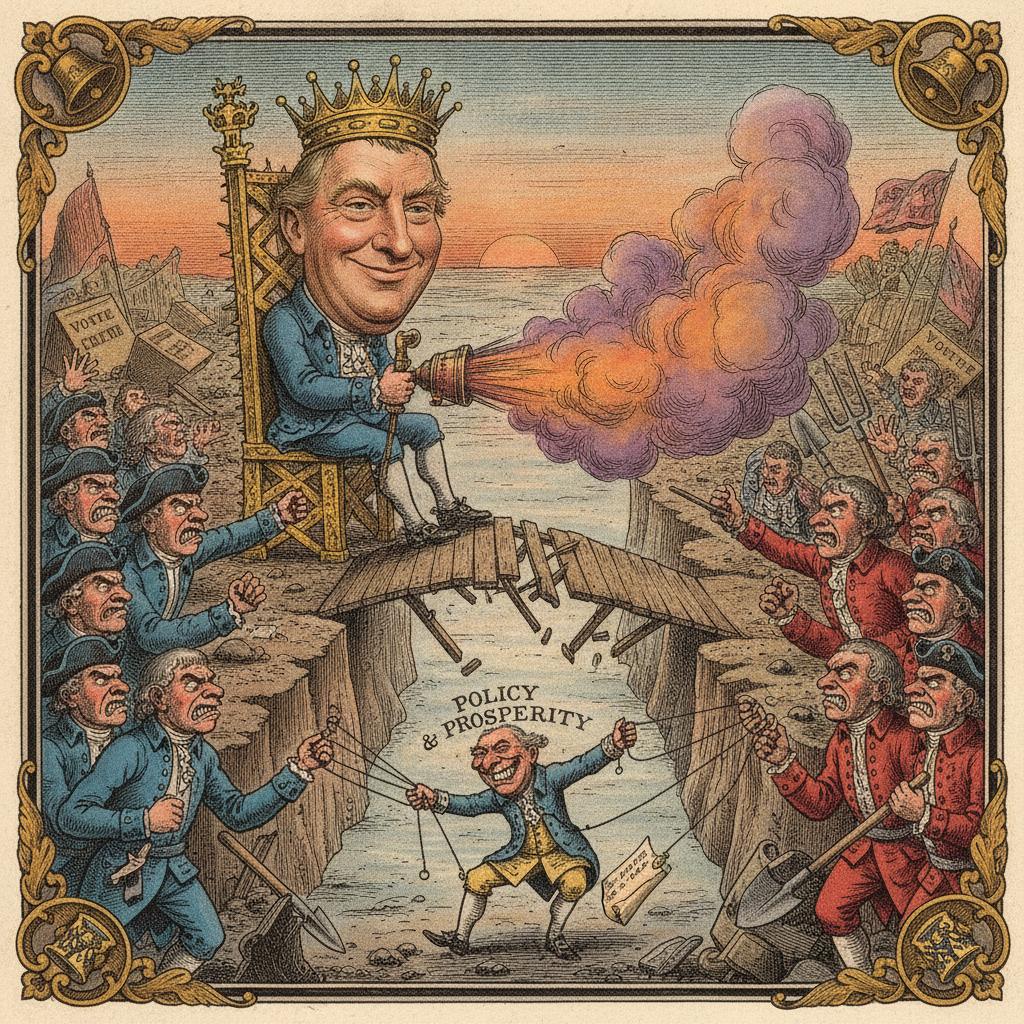
Across the republic, from digital screens to crowded thoroughfares, a discordant symphony of dissent is rising, challenging established authority with a familiar fervor that echoes through the annals of history.

Feb 3, 2026 - Politics & Policy

The Unsettling Melody of Sedition: 2026's Anthems Recall Colonial Grievances

Author By Miles Corbin

Across the republic, from digital screens to crowded thoroughfares, a discordant symphony of dissent is rising, challenging established authority with a familiar fervor that echoes through the annals of history.

Why it matters: The contemporary surge in protest music is more than just a passing cultural trend; it is a profound historical echo, resonating with the very grievances that precipitated the American Revolution. The widespread adoption of anthems, much like how "The Liberty Song" was "heard resounding in almost all Companies in Town, and by way of eminence called "The Liberty Song," _you are desired to republish in your_ 'circulating' Paper for the Benefit of the whole Continent of America," signals a collective articulation of dissent against perceived infringements on liberty and self-governance. This isn't merely a routine political squabble; it is a fundamental challenge to the perceived legitimacy of authority, channeled through the most accessible and unifying of human expressions: song. When a populace begins to craft and adopt such a widespread "playlist of the resistance," it suggests a societal fault line far deeper than partisan politics, indicating a return to the foundational debates over power and individual sovereignty that defined the nation's birth.

Read the Full Story

Other Latest Stories

More Articles

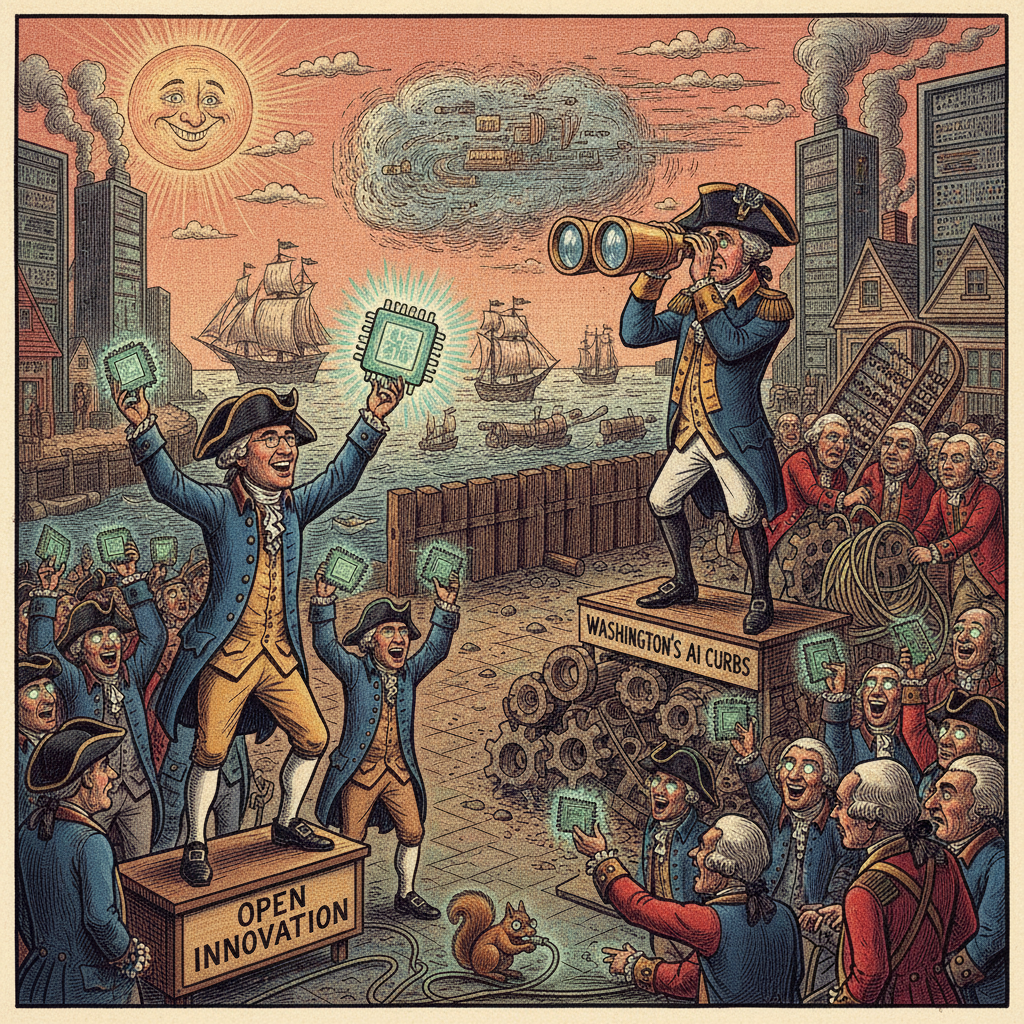
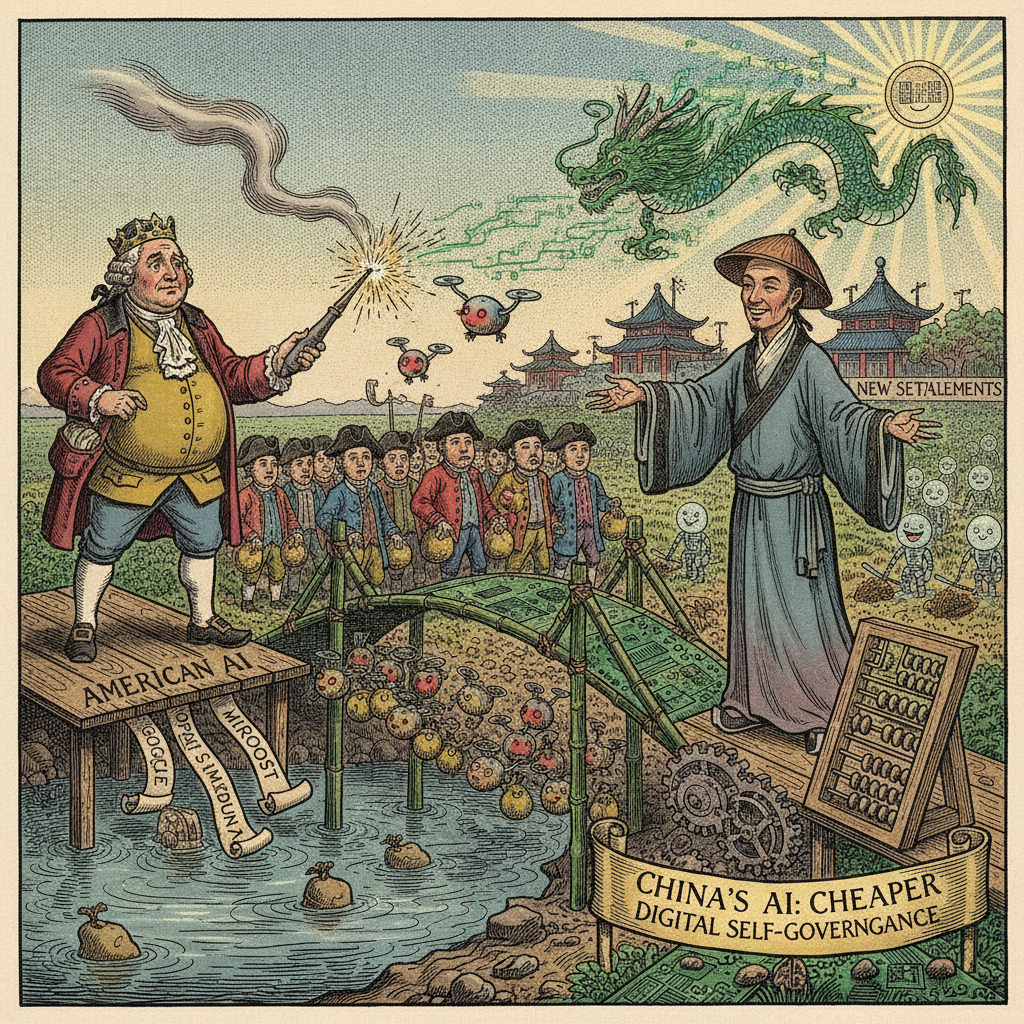
'Blunt Advice' on AI Recalls Imperial Prescriptions for Colonial Minds

A prominent media organization has unveiled a new series offering decisive guidance on artificial intelligence, raising questions about the evolving landscape of information and individual autonomy.

A prominent media organization has unveiled a new series offering decisive guidance on artificial intelligence, raising questions about the evolving landscape of information and individual autonomy.

Why it matters: The emergence of such prescriptive guidance, presented as indispensable for public navigation of a transformative technology, echoes the foundational grievances that animated revolutionary thought. The presumption of a singular, authoritative voice dictating public engagement, however well-meaning, recalls the colonial era's consternation over distant edicts. It evokes, for instance, the spirit behind Paine's 'THOUGHTS ON THE PRESENT STATE OF AMERICAN AFFAIRS,' which questioned the very legitimacy of external entities dictating the terms of prosperity and security for a populace.

Read the Full Story
Mr. Frost, Reimagined: An Assault on Representation Echoes a Pre-Revolutionary Grievance

An incident at the Sundance Film Festival involving a U.S. Congressman has reignited concerns over political violence, drawing unsettling parallels to foundational ruptures in civil order.

An incident at the Sundance Film Festival involving a U.S. Congressman has reignited concerns over political violence, drawing unsettling parallels to foundational ruptures in civil order.

Why it matters: This incident transcends a routine criminal matter, manifesting a dangerous societal malaise. The casual violation of a representative's person, a symbol of direct governance, signals a decline in the social contract. Samuel Adams noted "instances of assault" as "unlawful act[s]," even from those upholding order. The question persists: who instigates today's "rebellious spirit"?

Read the Full Story
The Precarious Preservation: As Witnesses Diminish, So Too the Demand of Posterity

The living memory of humanity's darkest chapter is receding, with fewer than 200,000 Holocaust survivors remaining worldwide, a demographic threshold crossed amidst a troubling global surge in antisemitism.

The living memory of humanity's darkest chapter is receding, with fewer than 200,000 Holocaust survivors remaining worldwide, a demographic threshold crossed amidst a troubling global surge in antisemitism.

Why it matters: The erosion of direct historical witness, compounded by institutional inertia against deliberate misinformation, presents not merely a cultural challenge but a fundamental test of civic responsibility. As John Dickinson famously wrote, 'This point being so important to this and to all succeeding generations, I wish to be clearly understood.' The clarity he sought for colonial grievances is precisely the clarity now jeopardized concerning humanity's most heinous acts.

Read the Full Story
An American Ascendant: Davos Debates the Terms of Connection Between Old and New Worlds

At the World Economic Forum, California Governor Gavin Newsom offered a stark assessment of the transatlantic alliance, igniting debate on global leadership and the future of international relations.

At the World Economic Forum, California Governor Gavin Newsom offered a stark assessment of the transatlantic alliance, igniting debate on global leadership and the future of international relations.

Why it matters: The perennial American debate on foreign entanglements sharply resurfaces at Davos. Our founders, wary of Europe’s "ambition, rivalship, interest, humor or caprice," urged avoiding interweaving destinies. This friction defines American global leadership.

Read the Full Story
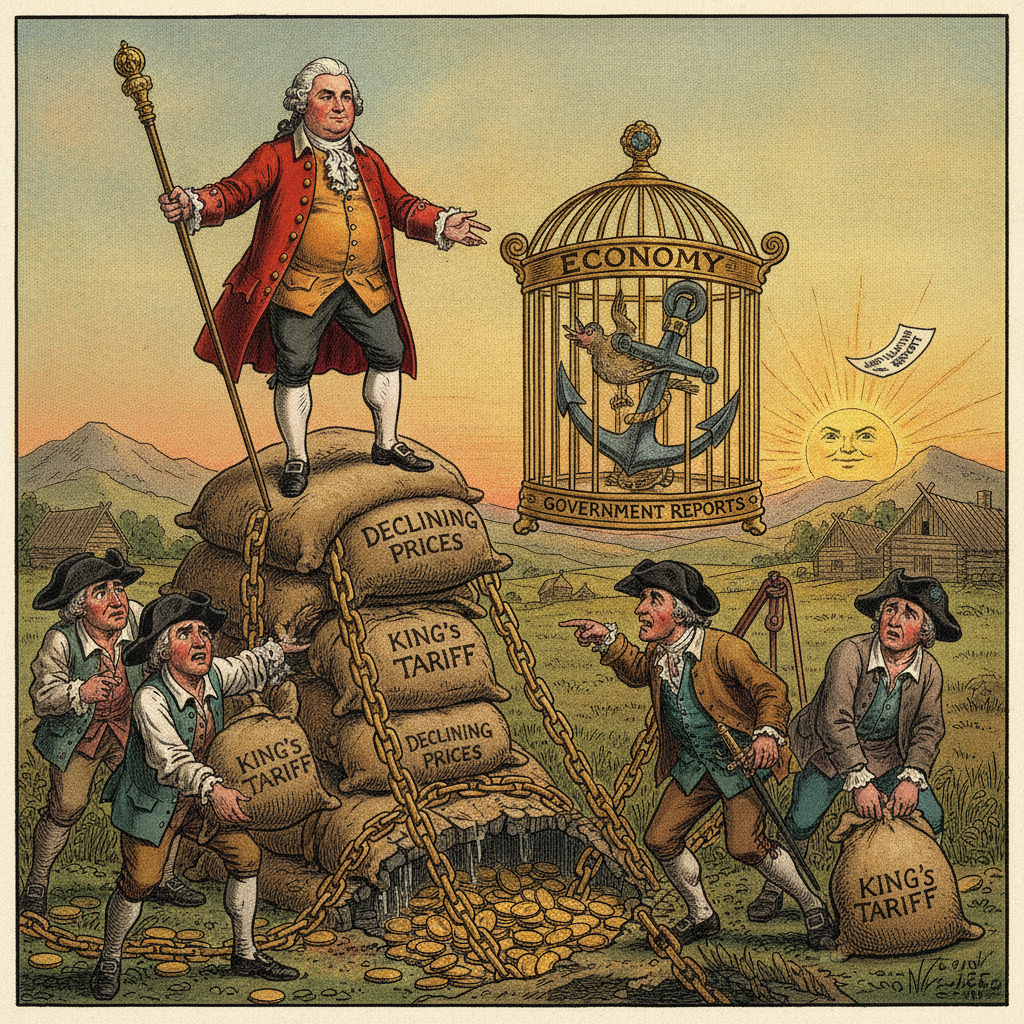
A King's Ransom for a Cold Isle: Greenland, Tariffs, and the Ghost of Colonial Grievances

European leaders at Davos expressed profound alarm this week as President Trump's singular focus on acquiring Greenland and his subsequent tariff threats triggered calls for an unprecedented transatlantic separation, marking a potential rupture on the scale of the 1971 "Nixon shock."

European leaders at Davos expressed profound alarm this week as President Trump's singular focus on acquiring Greenland and his subsequent tariff threats triggered calls for an unprecedented transatlantic separation, marking a potential rupture on the scale of the 1971 "Nixon shock."

Why it matters: The spectacle at Davos, where a sitting U.S. president's geopolitical ambitions are framed as a direct threat to European sovereignty, is a jarring historical inversion. One might recall the early American grievance that the Crown 'has plundered our seas, ravaged our Coasts, burnt our towns, and destroyed the lives of our people,' a sentiment now ironically resonating among erstwhile allies as the U.S. projects its will.

Read the Full Story