As traditional houses of worship grapple with dwindling congregations, a burgeoning digital clergy powered by artificial intelligence is redefining spiritual guidance.
As traditional houses of worship grapple with dwindling congregations, a burgeoning digital clergy powered by artificial intelligence is redefining spiritual guidance.
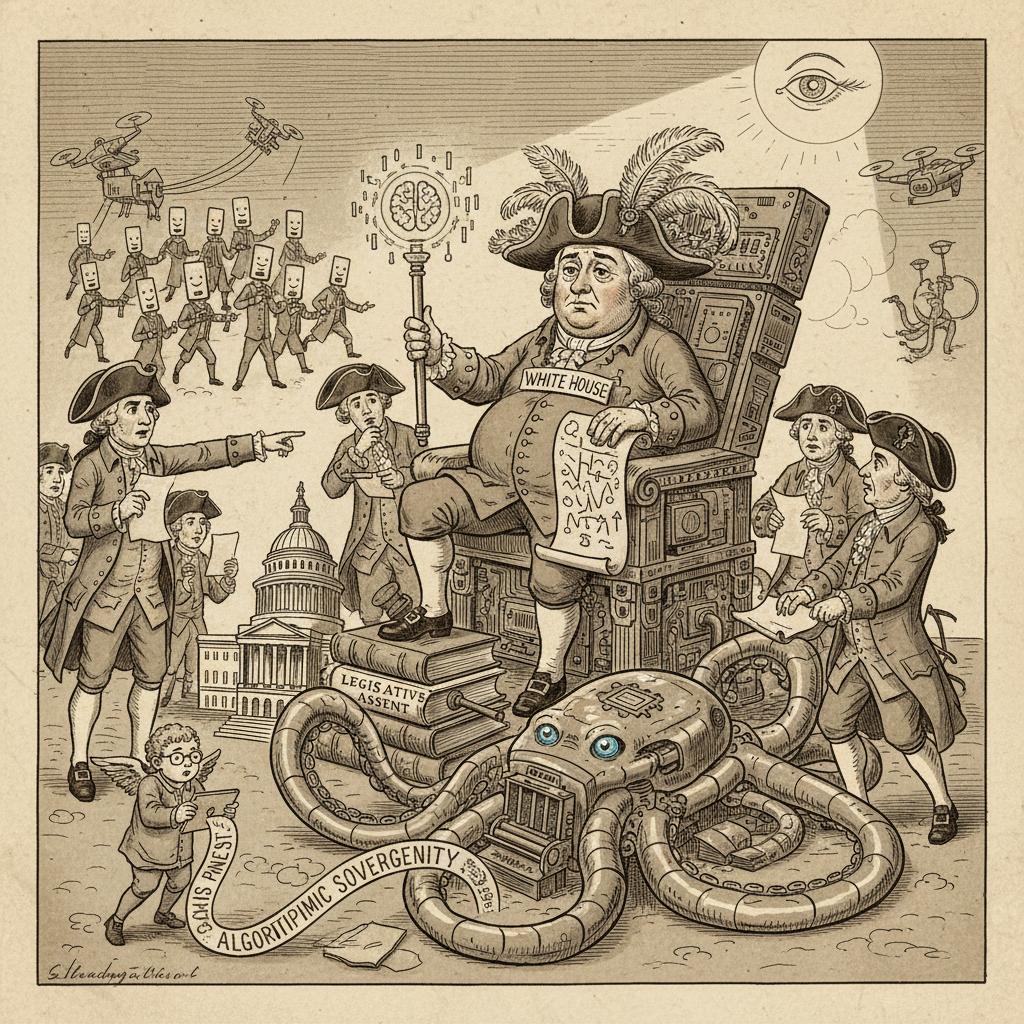
Why it matters: This digital evolution, while pitched as revitalization, marks a profound shift from individual spiritual journey to algorithmic prescription. As 2 Corinthians iii. 6 reminds us, the essence lies 'not of the letter but of the Spirit; for the letter kills, but the Spirit gives life.' An AI, however sophisticated, operates strictly by the letter, by its coded instructions and curated datasets, threatening to supplant genuine revelation with manufactured consensus. This raises an uncomfortable parallel to Adams' observation that 'Pope flattered tyrants too much,' as these personalized bots risk flattering users' preconceived notions, rather than challenging them towards genuine spiritual growth, thereby creating a new, subtle form of digital tyranny over conscience. The proliferation of AI-driven spiritual guidance mirrors the grievances that fomented a revolution: the imposition of distant, unaccountable authority over local, personal conviction. When faith becomes a subscription service, and divine counsel is mediated by proprietary algorithms, the very foundation of individual spiritual autonomy—a bedrock principle for a nascent nation seeking freedom from external dominion—is fundamentally undermined. The digital age, in its quest for efficiency, risks inadvertently constructing a new kind of imperial oversight, where the 'tyranny of the algorithm' replaces the tyranny of the crown, silently dictating not just commerce, but the very path to salvation.
Read the Full Story