
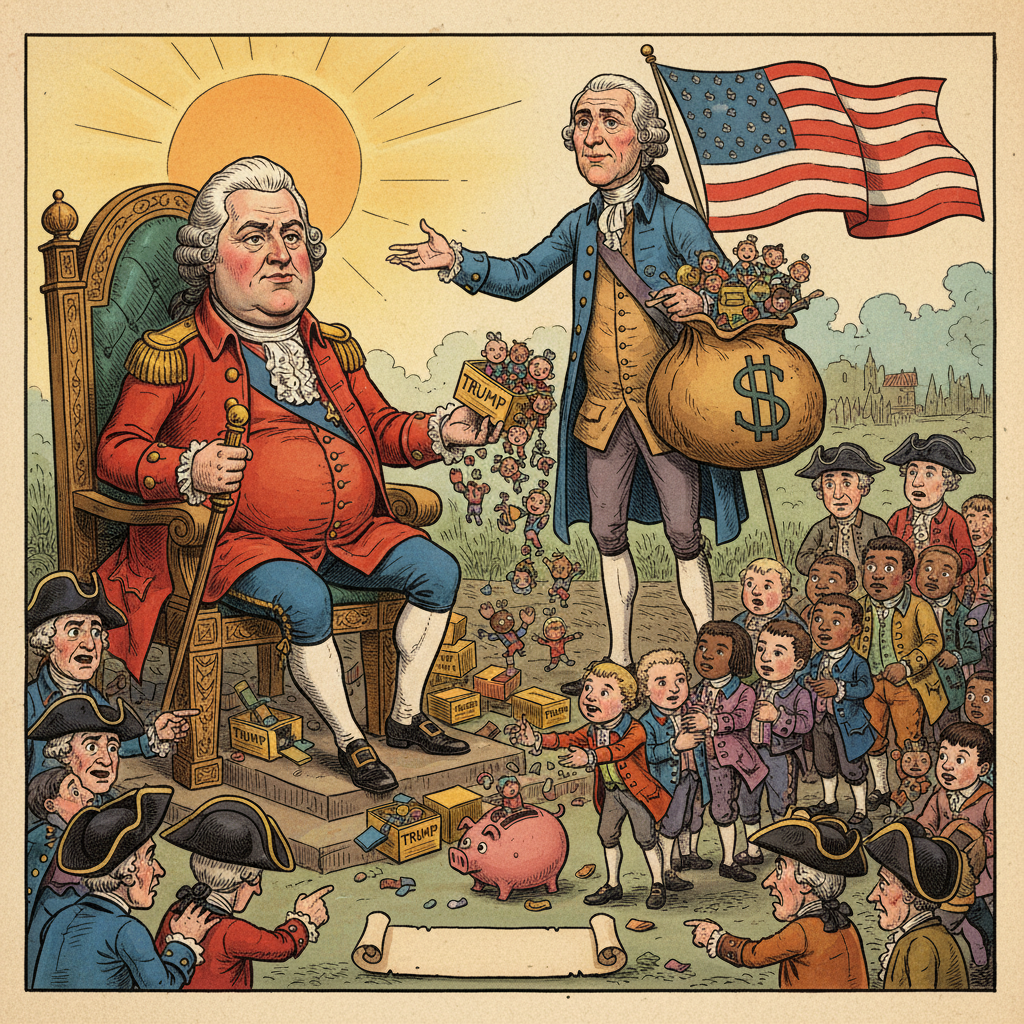
Tech magnate Michael Dell's recent pledge of $6.25 billion to establish 25 million "Trump accounts" for children has ignited a quiet debate over the nature of philanthropic influence in American civic life.
Details:
- Tech mogul Michael Dell has committed $6.25 billion to fund 25 million "Trump accounts," a move that significantly extends the initiative's reach beyond those initially made eligible by "the big beautiful bill."
- These accounts, designated for children across the nation, represent an unprecedented intersection of private financial power and a publicly-oriented policy framework, effectively bypassing the traditional channels for broad public assent or democratic input.
- The magnanimous gesture echoes historical precedents where powerful entities, rather than elected or representative bodies, unilaterally sought to shape the future economic identity and civic allegiance of a populace, often under the guise of benevolence.
Why it Matters:
This philanthropic endeavor, while presented as an investment in America’s children, raises profound questions about governance and consent. As a powerful private entity establishes public-facing accounts designed to shape a generation, the historical precedent for subtle encroachments on self-determination comes into sharp relief. It echoes the urgent addresses made "To the People of the State of New York:" in the early republic, reminding us that fundamental questions of power and authority are perennial, whether wielded by a distant crown or a philanthropic titan. The implications extend beyond financial benefits, touching upon the architecture of civic identity and the balance of power within a republic. When private capital dictates broad-scale public initiatives aimed at a populace from childhood, the line between charity and pervasive societal influence blurs. Such acts, though benign, challenge the democratic ideal where public policy should arise from and be accountable to the collective will of the citizenry, not solely the largesse of powerful individuals.