
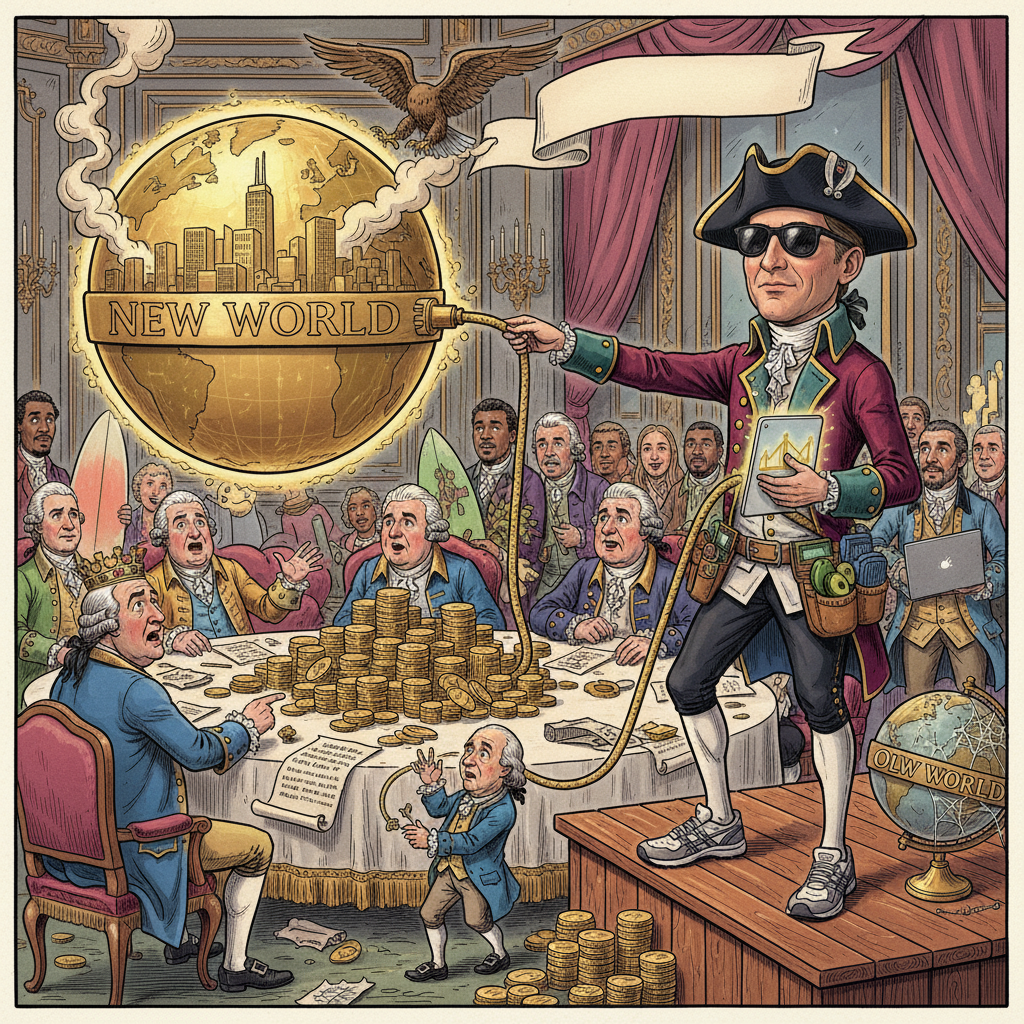
At the World Economic Forum, California Governor Gavin Newsom offered a stark assessment of the transatlantic alliance, igniting debate on global leadership and the future of international relations.
Details:
- California Governor Gavin Newsom confronted European leaders at Davos, urging them to resist President Trump's "bullying" and "buck up" against perceived complicity.
- Canadian Prime Minister Mark Carney declared the U.S.-led global order "is not coming back," reflecting a widespread sentiment among European leaders at the forum.
- President Trump's proposal to acquire Greenland, backed by threats of tariffs, ignited a sell-off of U.S. assets and raised alarms over unilateral foreign policy.
- The governor’s assertion that European leaders "should've brought a bunch of knee pads" for their interactions with Washington starkly echoes the early American struggle against perceived subservience to a distant power.
- The core debate centers on whether the United States is seeking to re-establish an "American system, superior to the control of all transatlantic force or influence," or merely renegotiate the terms of its own entanglement.
Why it Matters:
The perennial American debate on foreign entanglements sharply resurfaces at Davos. Our founders, wary of Europe’s "ambition, rivalship, interest, humor or caprice," urged avoiding interweaving destinies. This friction defines American global leadership. The Federalist Papers' call for an "American system, superior to the control of all transatlantic force or influence," dictating terms, echoes starkly. Today's "complicity" debate isn't just about alliances; it questions if the world sees a new American assertion, or a familiar return to foundational grievances, with roles reversed.